Step 1
Claim, then look
Try any code you want to recheck before spending. Scan your current card income so you know which slot needs replacing.
First-session route
The official loop is simple: open packs, place better cards, upgrade the cards worth keeping and earn more money. This route keeps those decisions clear during a fast first session.

Quick answer
Quick answer
First ten minutes
Try any code you want to recheck before spending. Scan your current card income so you know which slot needs replacing.
Buy packs to attack that weakest slot. A new pull is useful only when its income improves the cards actually working for you.
Once a card remains competitive through several pulls, compare its upgrade cost with the next pack before committing Cash.
Checkpoint
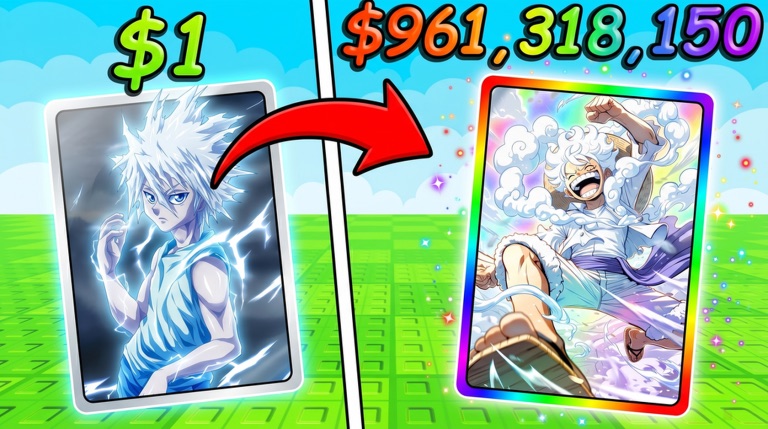
Cash decisions
| Situation | Best next move | Reason |
|---|---|---|
| One card trails far behind | Open a pack | There is obvious room for a replacement to improve total income. |
| A strong card has a cheap, known upgrade | Upgrade it | A guaranteed income gain can repay faster than a random pull. |
| Both choices spend nearly all Cash | Wait | A short earning window gives you a buffer and prevents the farm from stalling. |
| You just pulled a better card | Compare before investing | Place it, read the actual gain, then decide whether it is a keeper. |
Avoidable mistakes
Most early cards are temporary. Place and compare before spending more on them.
A dramatic card can still be a weak replacement for your current lineup. Read its income.
A Cash buffer keeps the next action close and reduces idle waiting.
Mutation and trait resources are more valuable when the base card lasts longer.